I design brands, products, and the systems that hold them together. Built design functions and teams from scratch. Shipped across fintech, proptech, and SaaS.
Haanaa
2025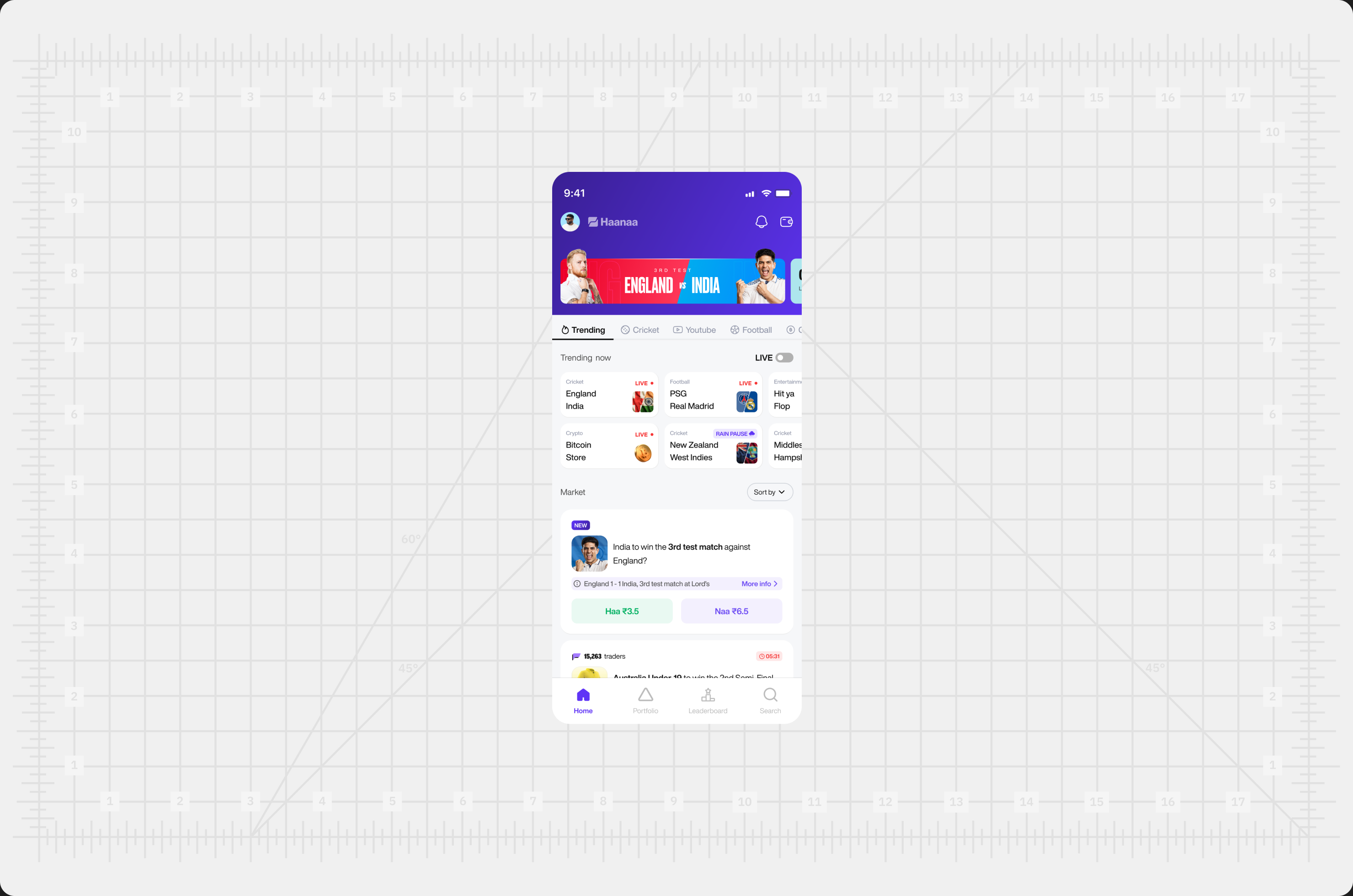
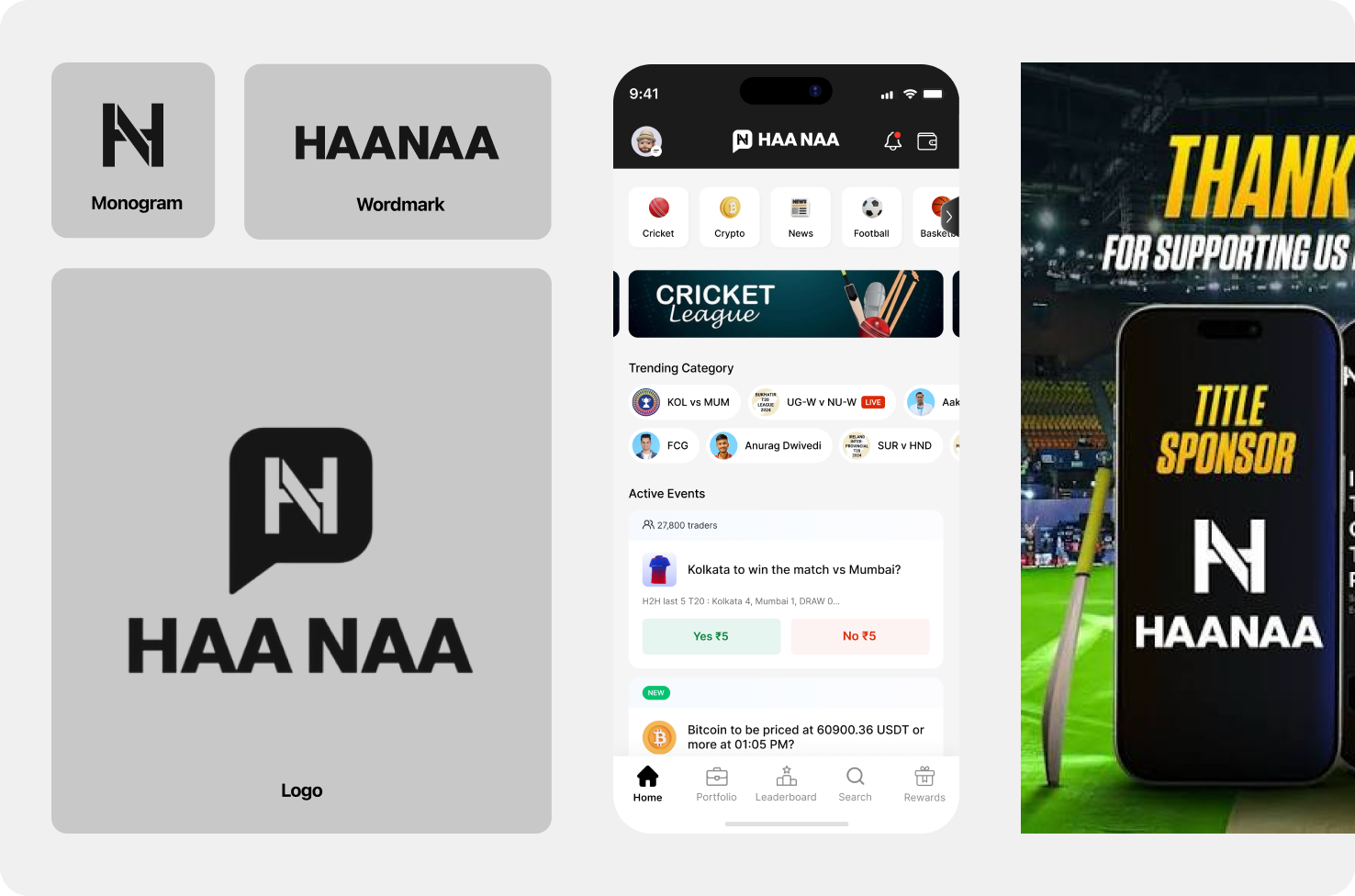
Haanaa was already live when I joined — around a million users on a copied, undifferentiated app that looked like every other prediction market in India. It worked, but nothing about it was built to last or stand apart. I came in as the first design hire and Head of Design, brought in to build the design function from zero and lead the transformation. I hired the essential talent — a product designer and a motion designer — and ran brand, product, and marketing across all three. By the time we were done, the platform had been rebuilt end to end and grown from one million users to 3.2 million, moving nearly ₹1,900 crore in GMV. The brand, the product architecture, the campaigns behind that growth — all came out of the function I built.
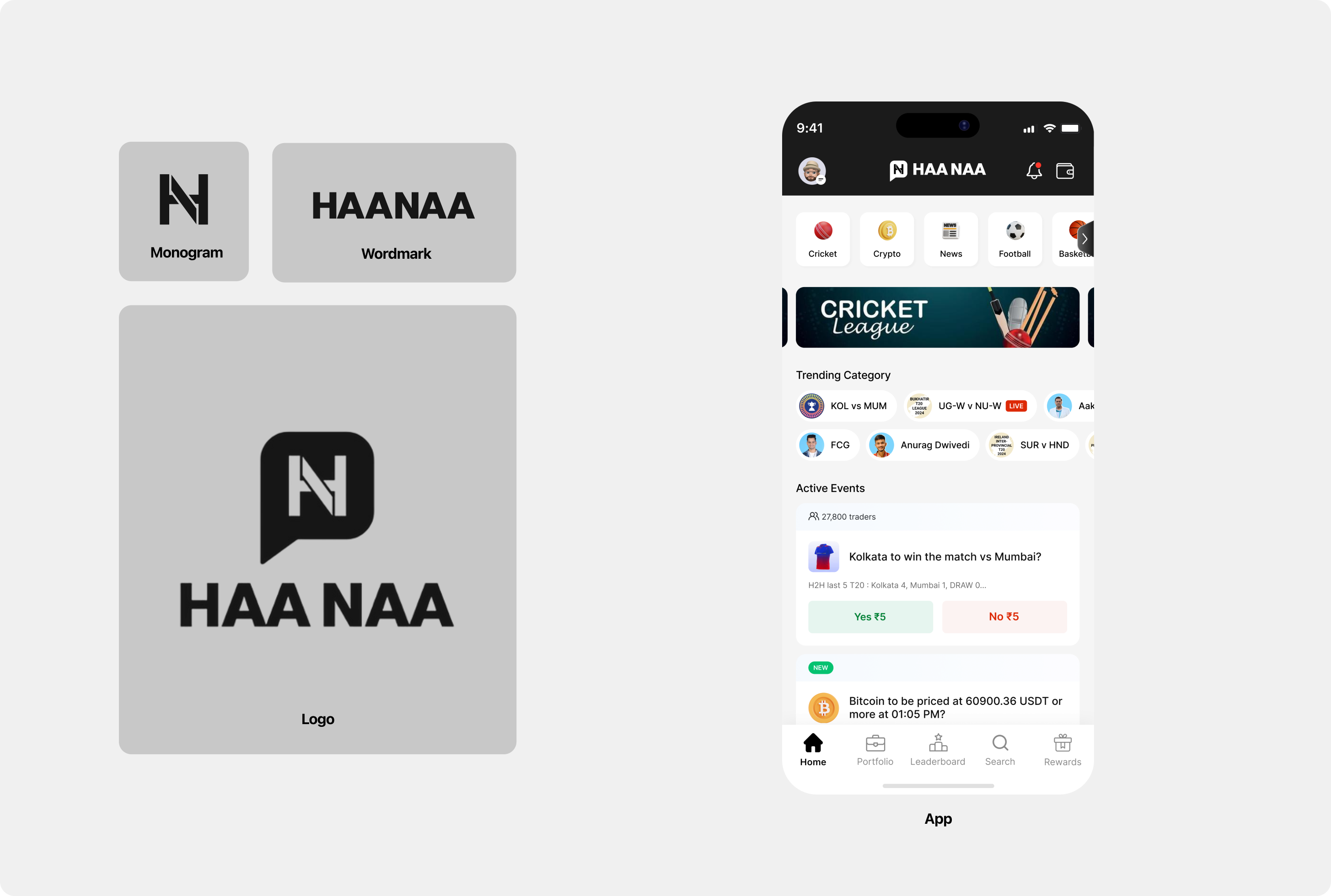
The category looked the same everywhere — dark UIs, ticker cards, the same yes/no mechanic in slightly different colours. The brand was the only real way to stand apart, and I knew that walking in.
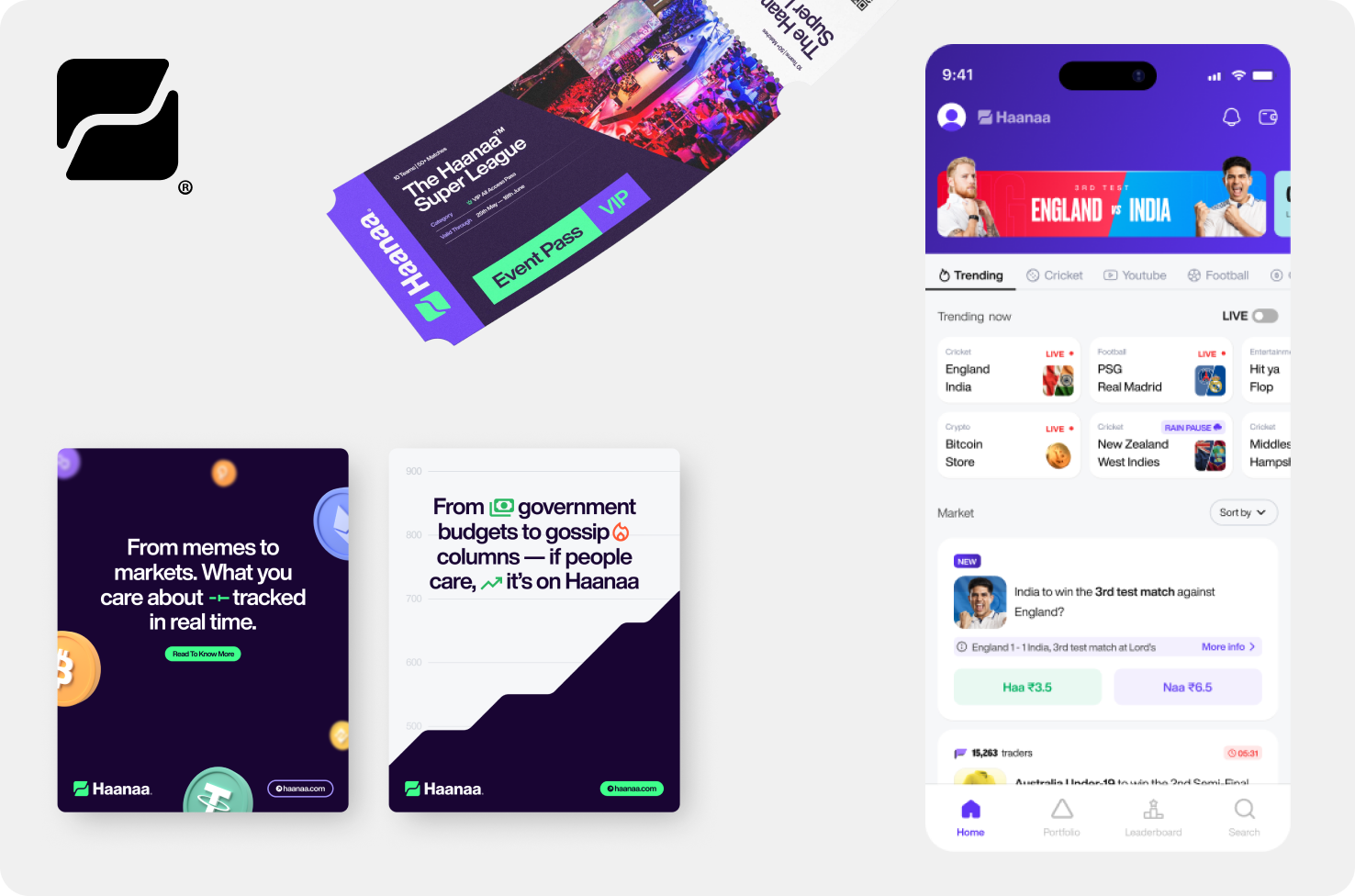
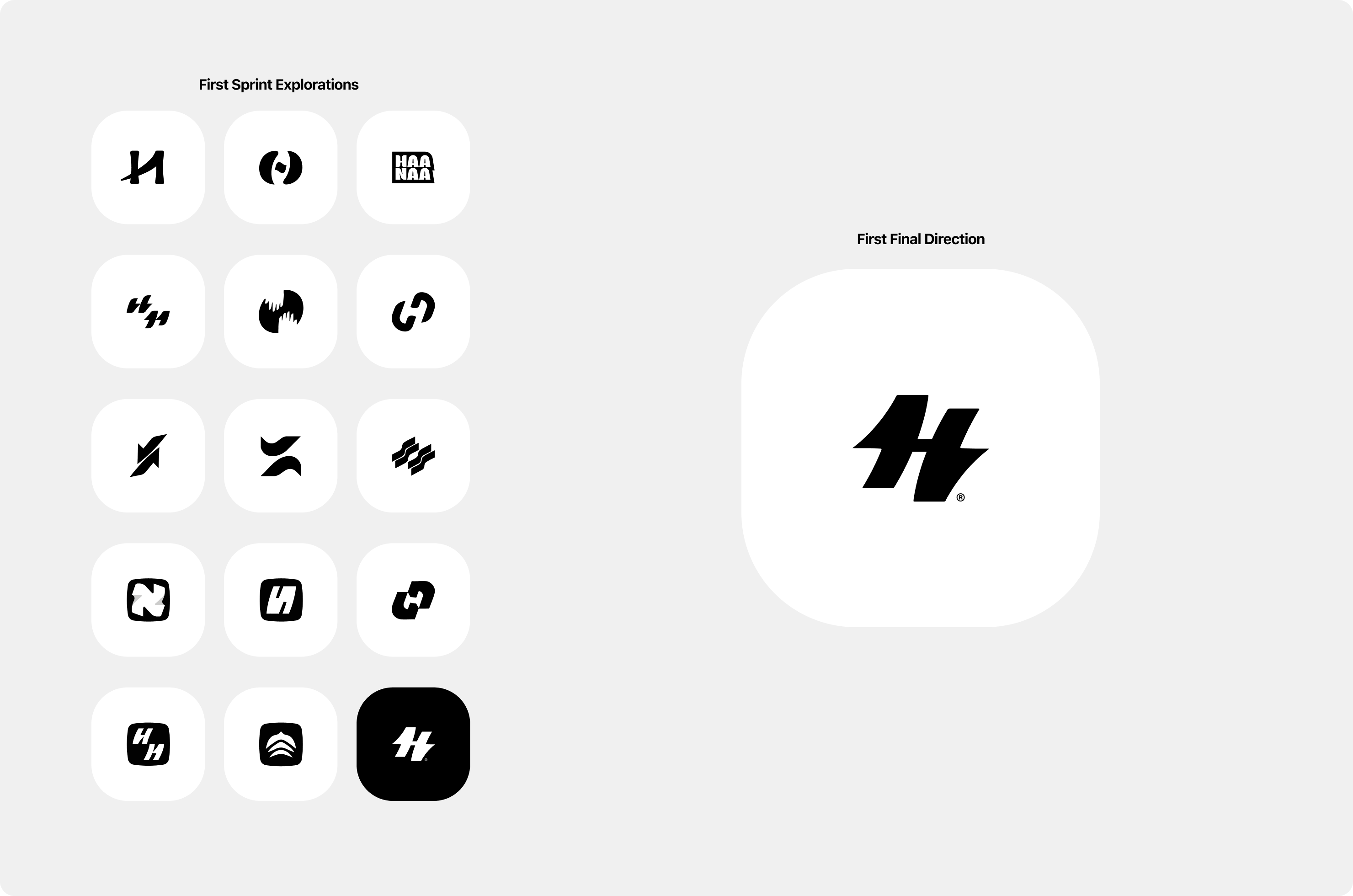
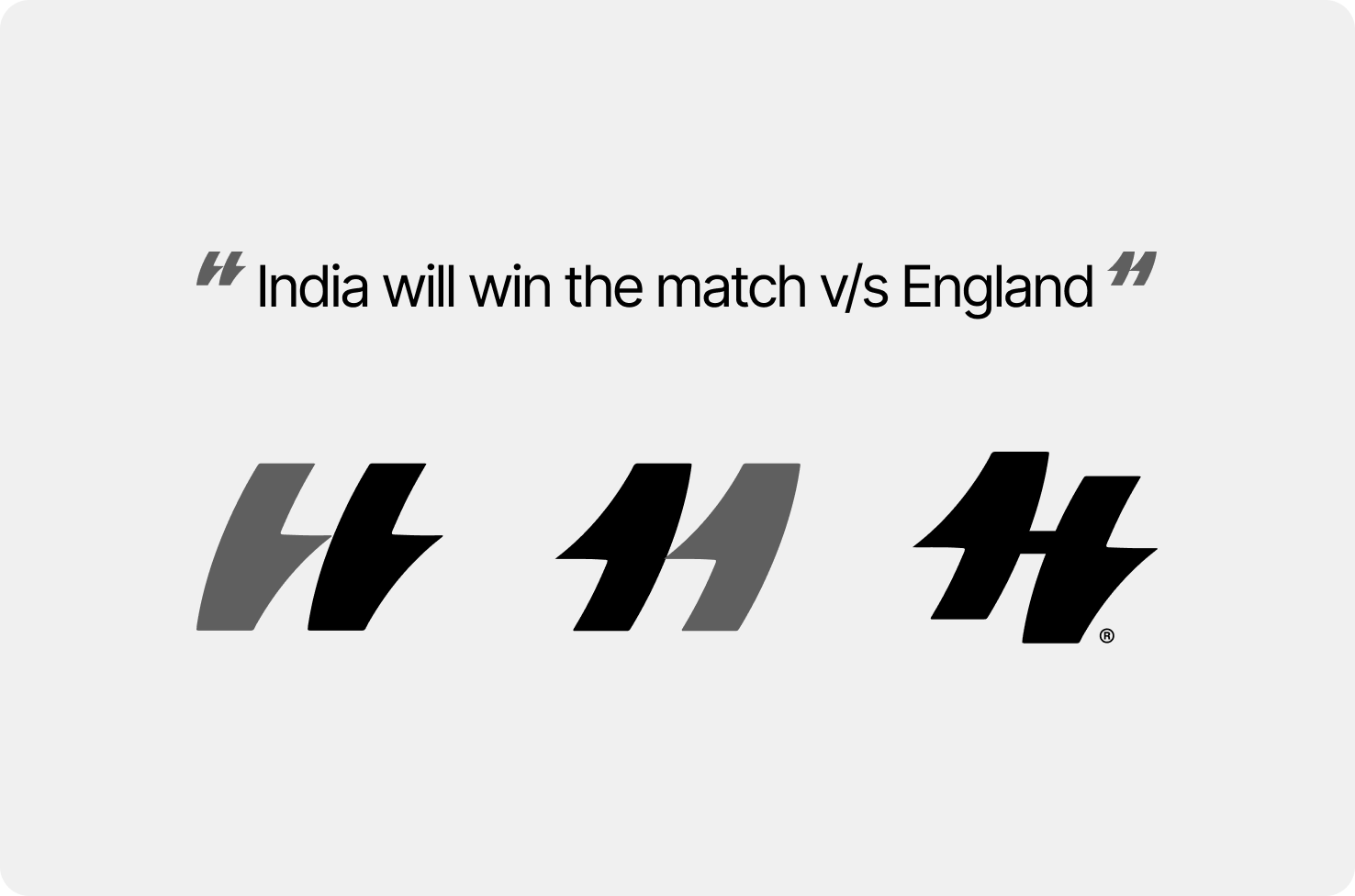
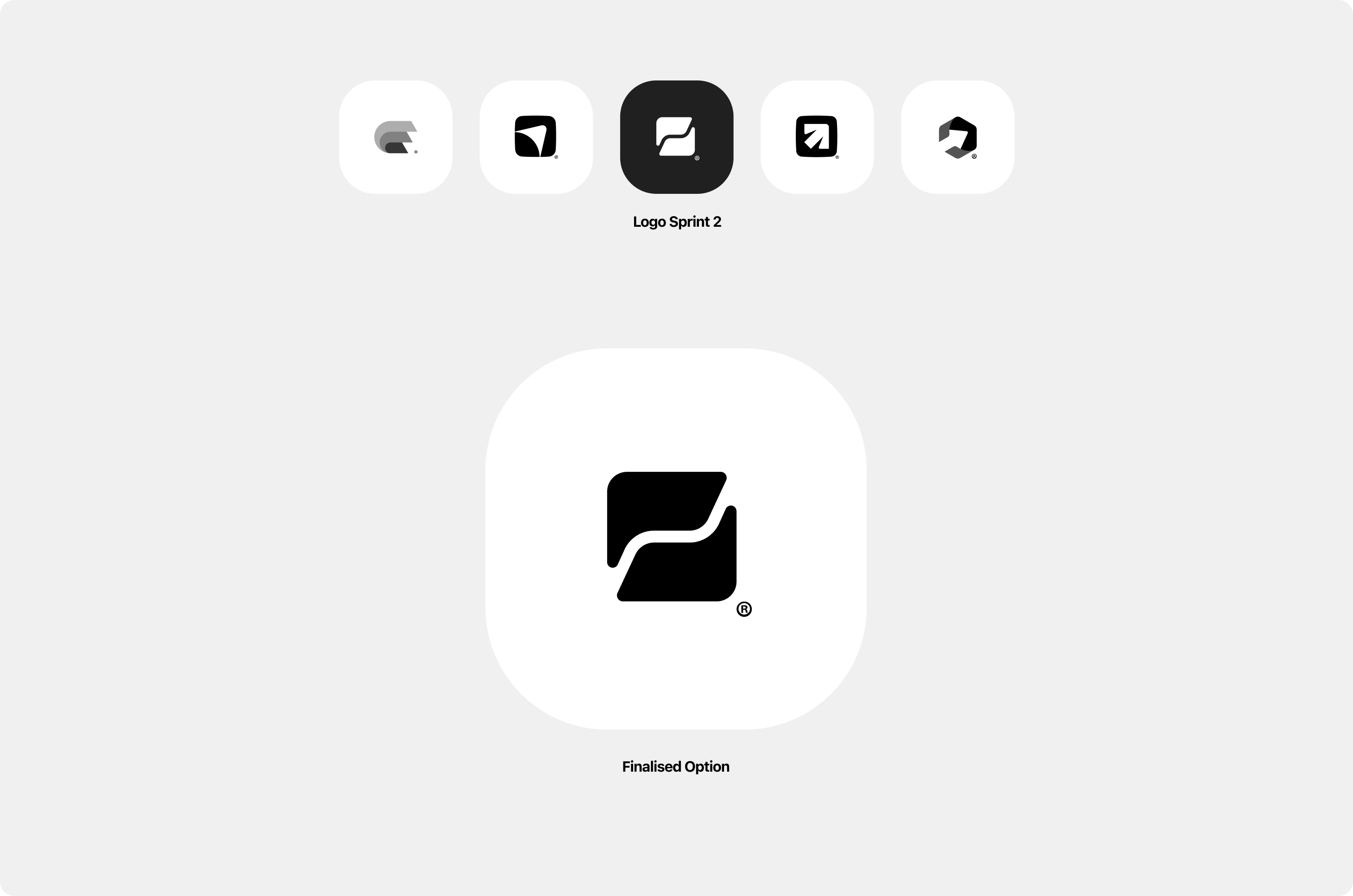
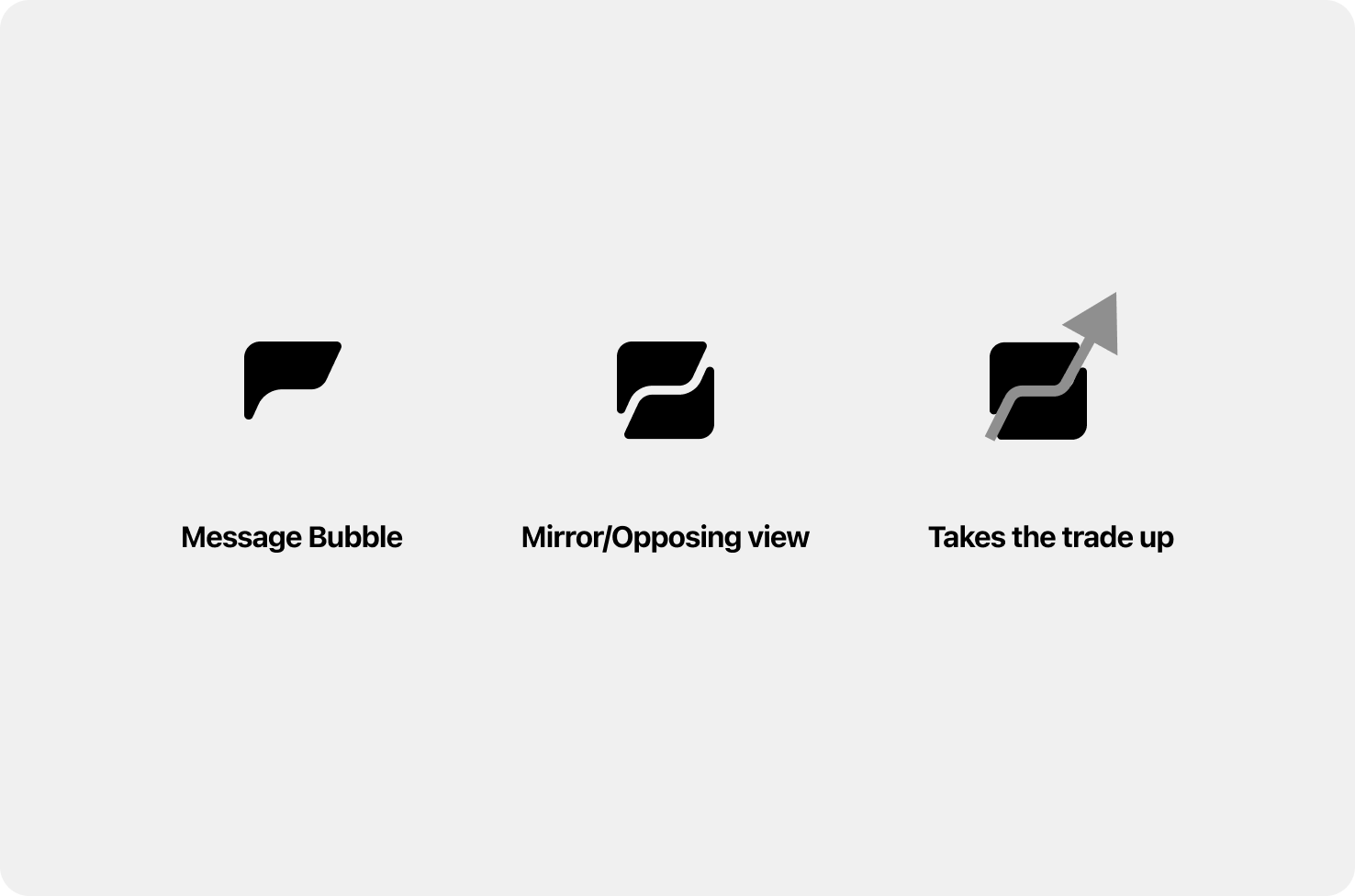
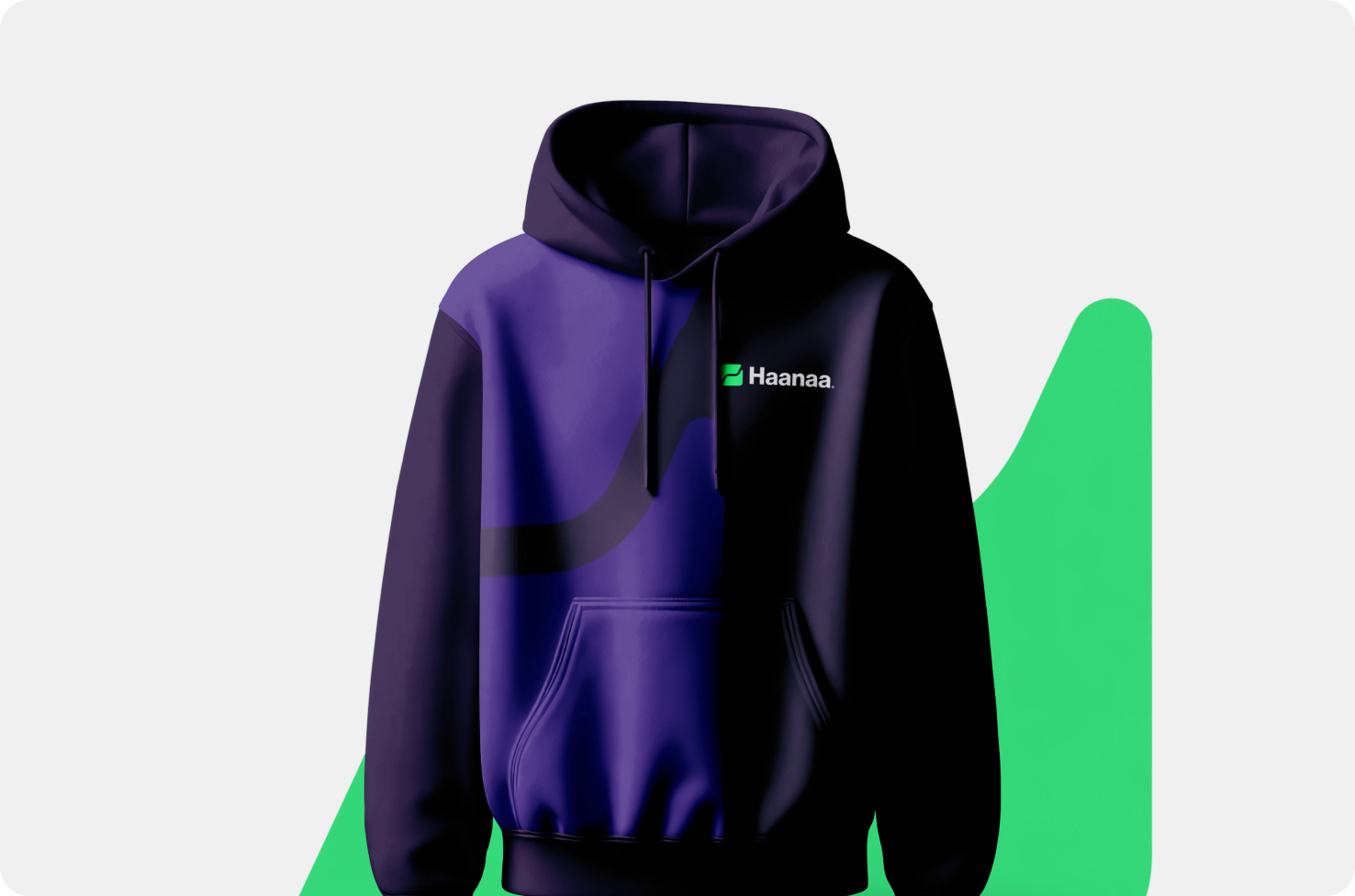
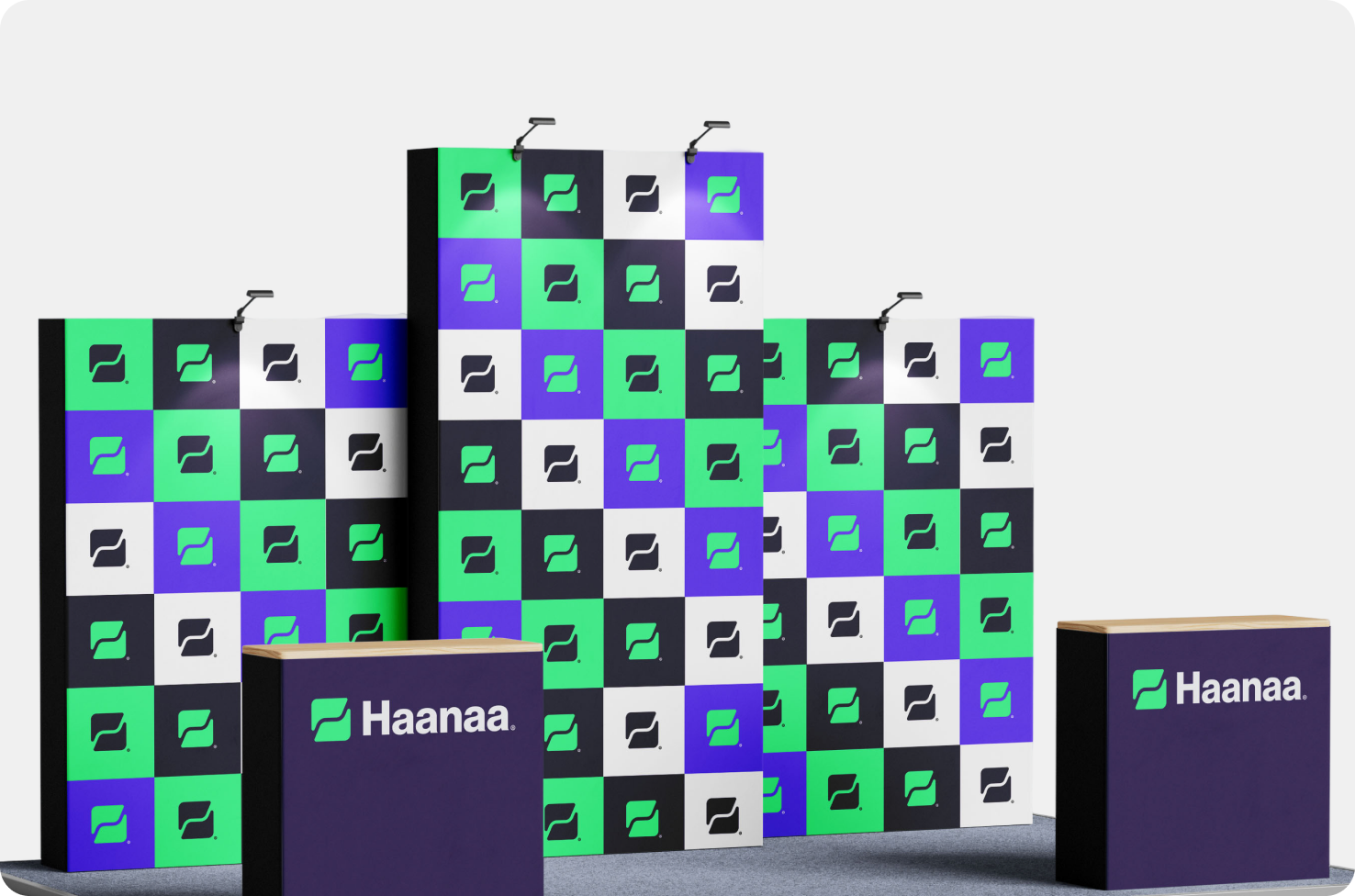
The logo came out of one question: what does Haanaa actually stand for? The answer was a chat bubble — the most human symbol for an opinion, someone taking a side. Mirror it and you get two bubbles facing each other: Haa and Naa, not opposing but completing. Together they form a bar graph going up. One mark holding a platform for opinions, a space for duality, and a financial instrument.
Colour followed product logic, not mood. Every trade has two sides, and neither could feel like losing. Green was locked from the start — growth, money, conviction. For the other side, every competitor used red. Red reads as loss, as warning. In a prediction market, Naa isn't a loss — it's a position. So I rejected red and chose a deep, near-black purple — authority, not alarm. Next to green it reads as two sides of the same conviction.
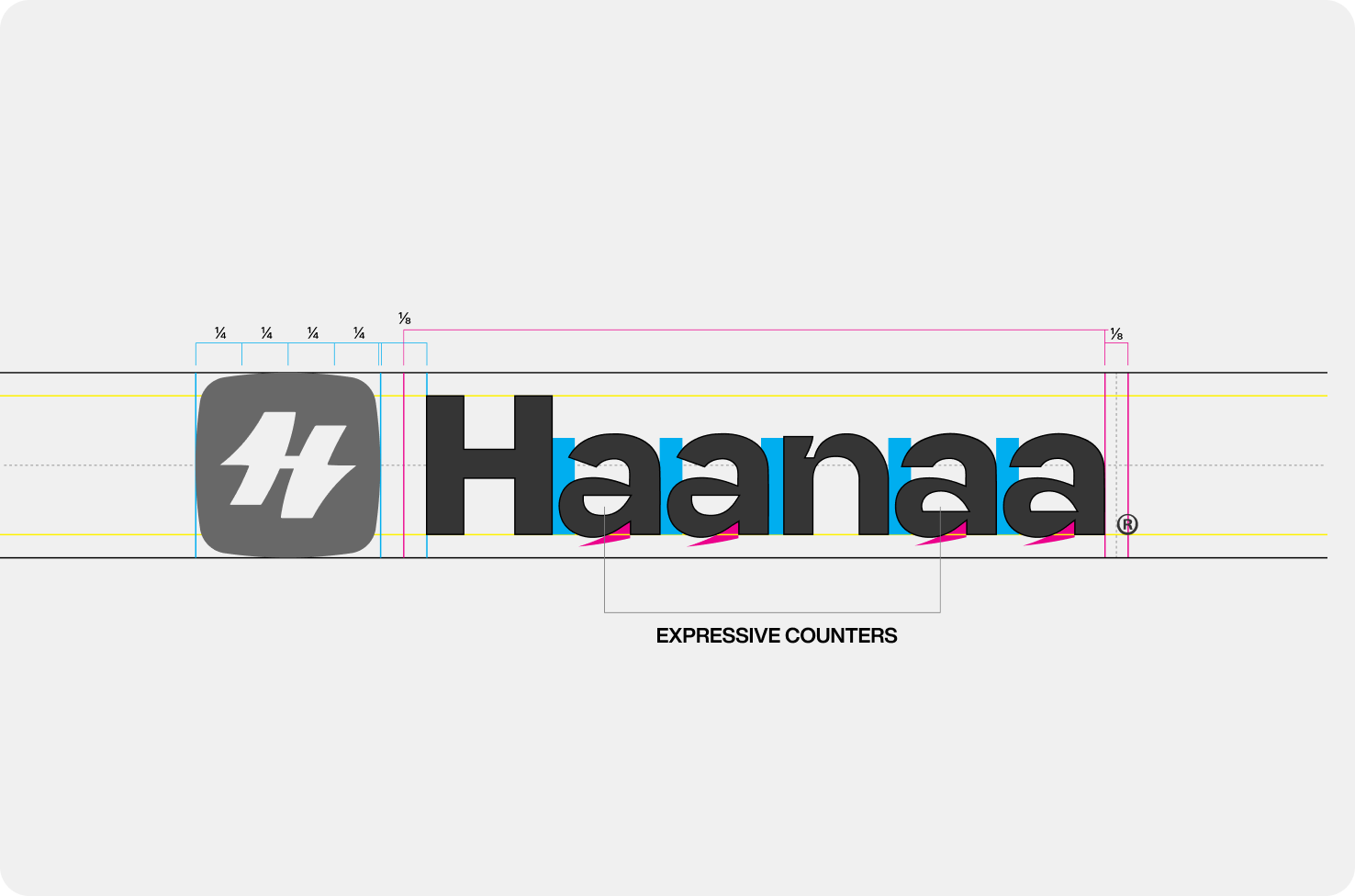
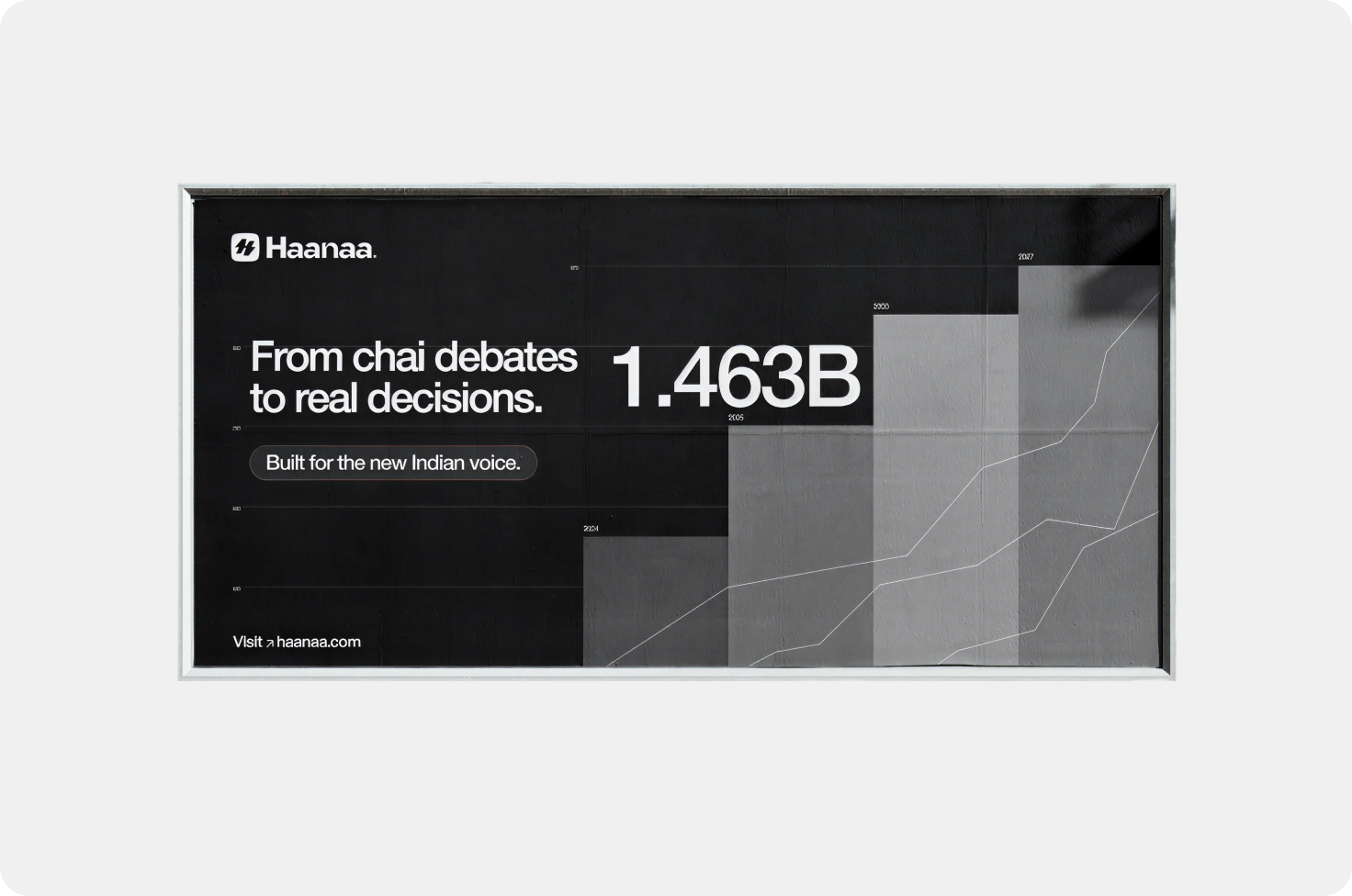
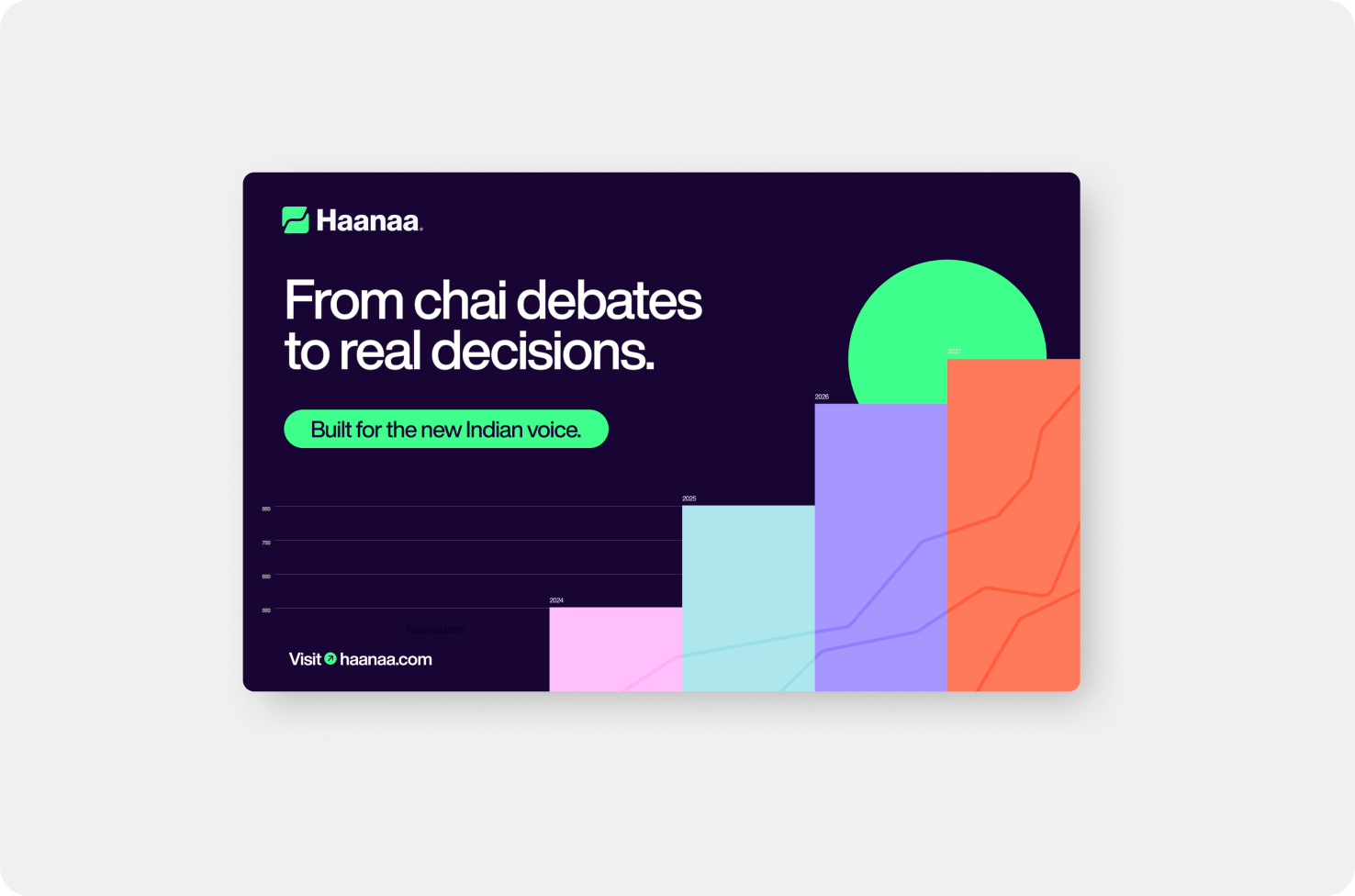
Type was tested against the brand's hardest line — "From chai debates to real decisions." Long, cultural, specific. Three typefaces at identical layouts. Switzer won — variable weight, geometric bones, just enough warmth to not feel like a bank. It held the bold copy without stiffening and the small copy without dissolving.

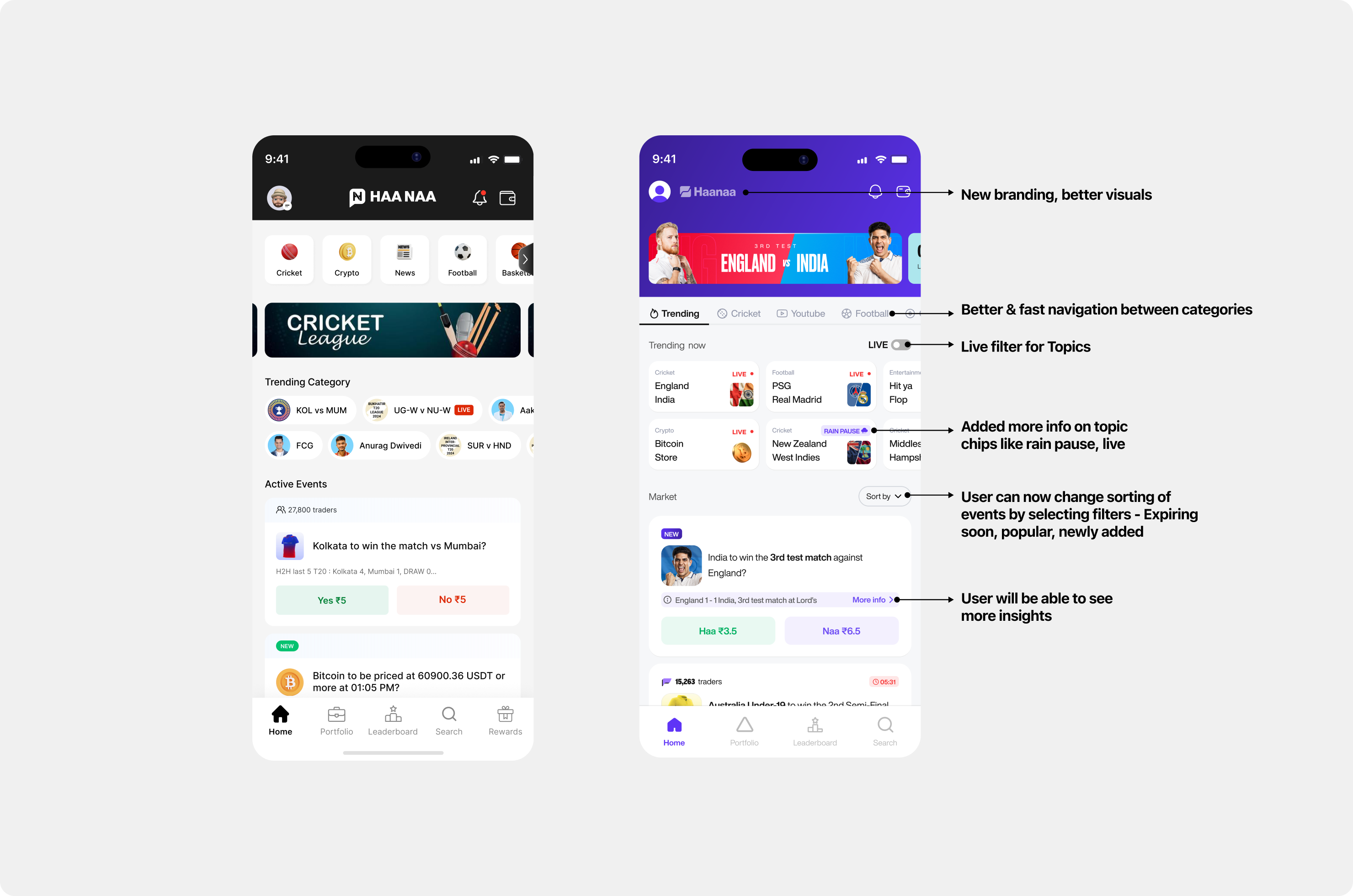
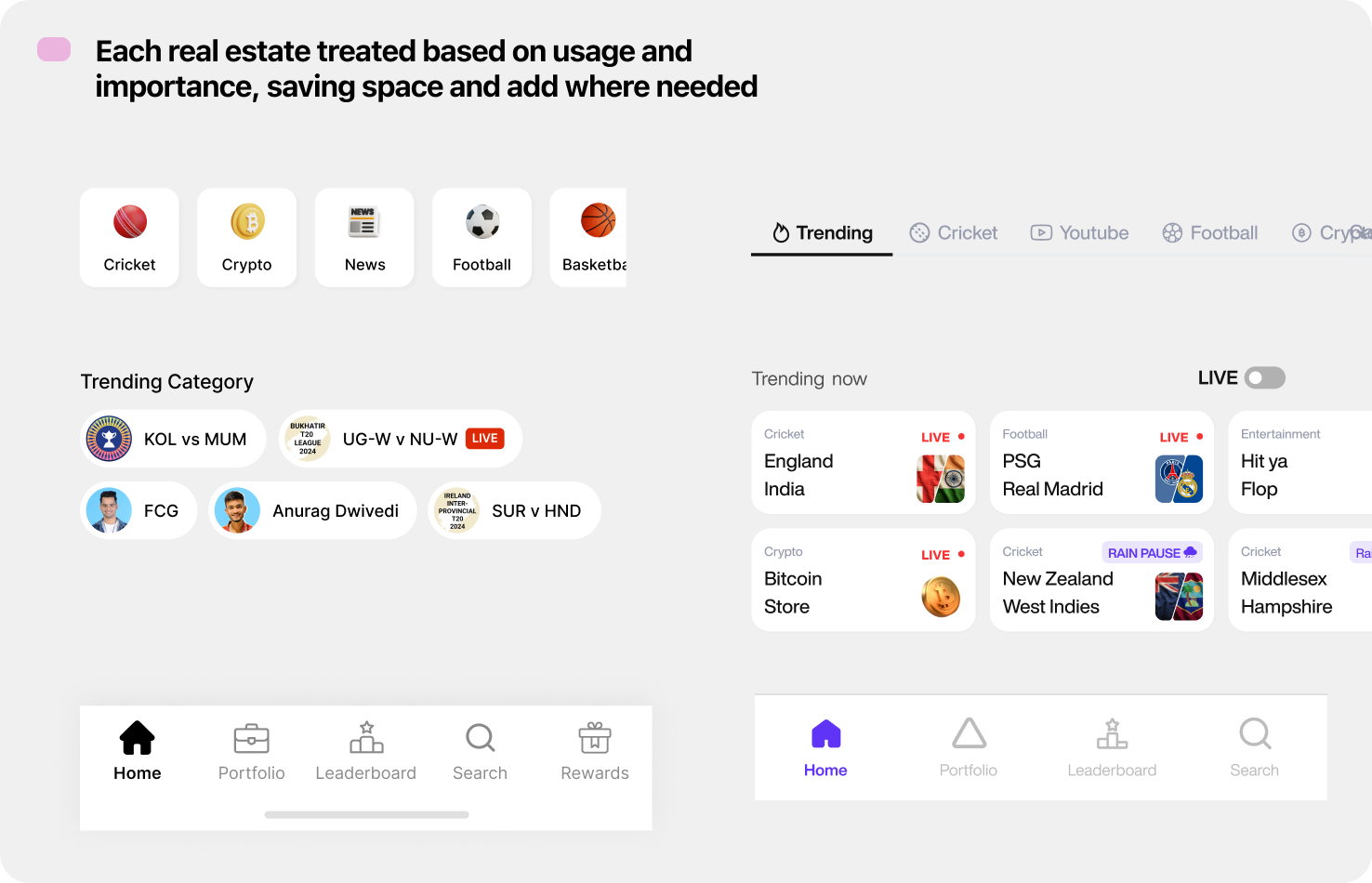
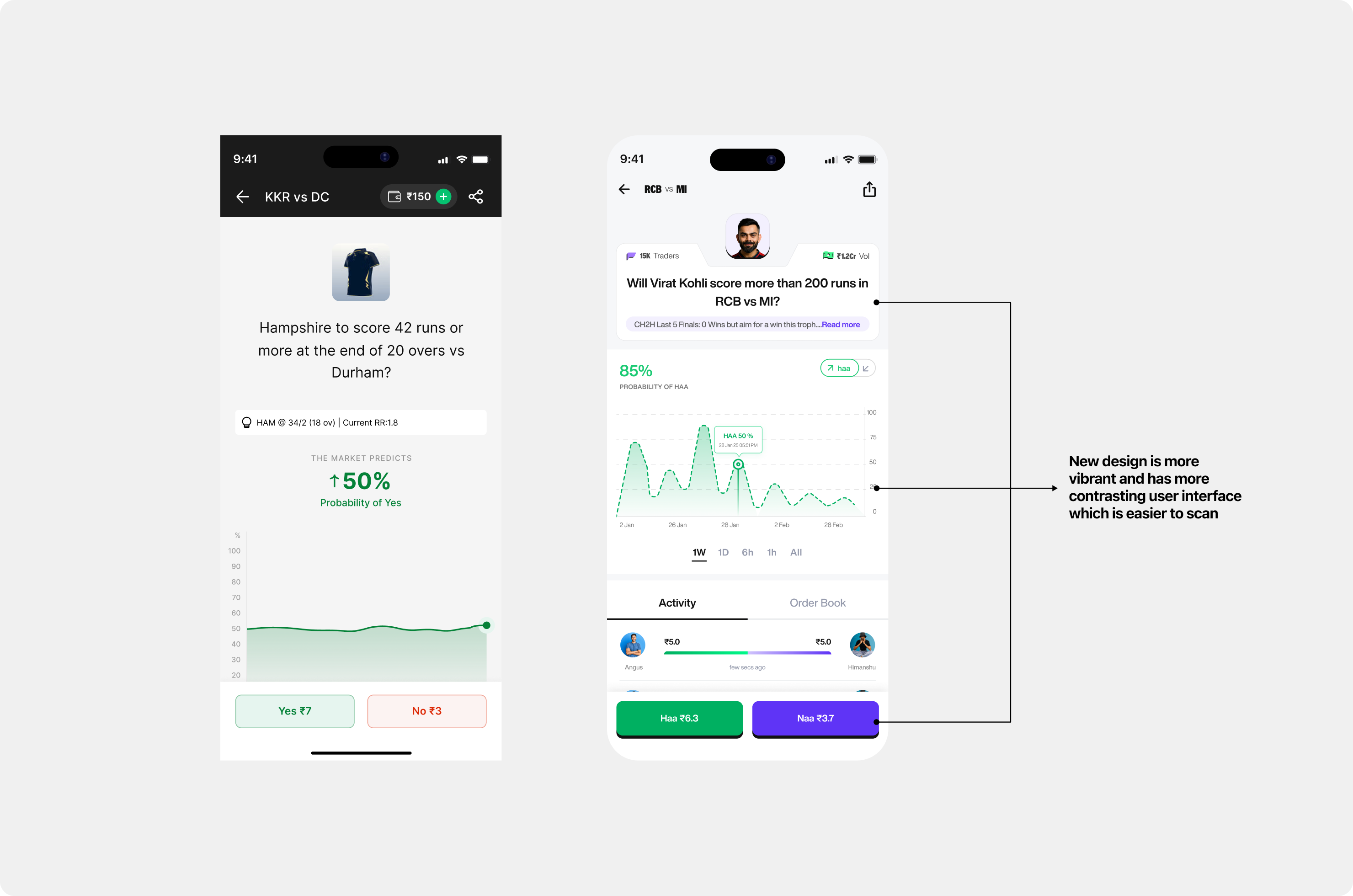
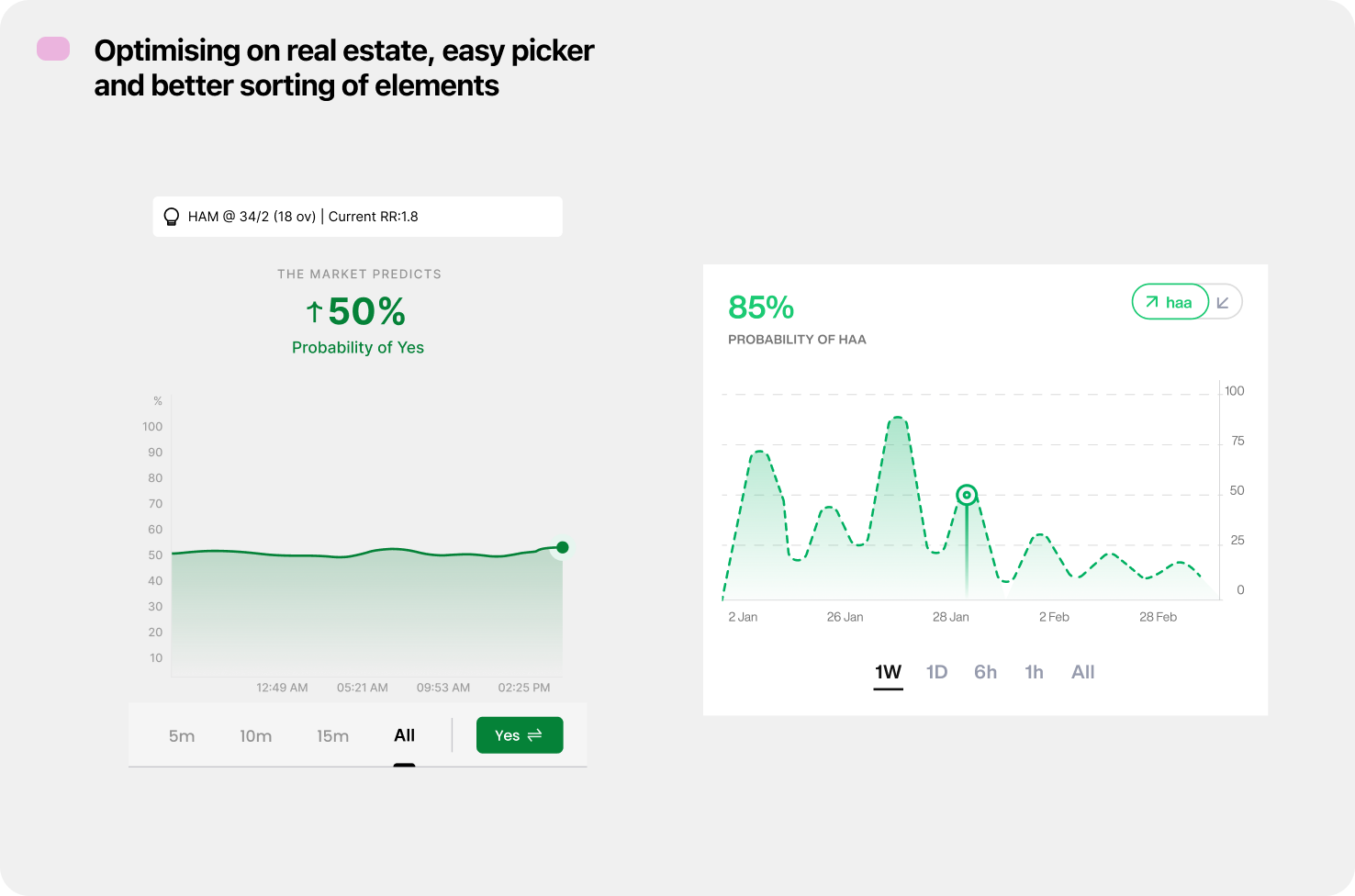
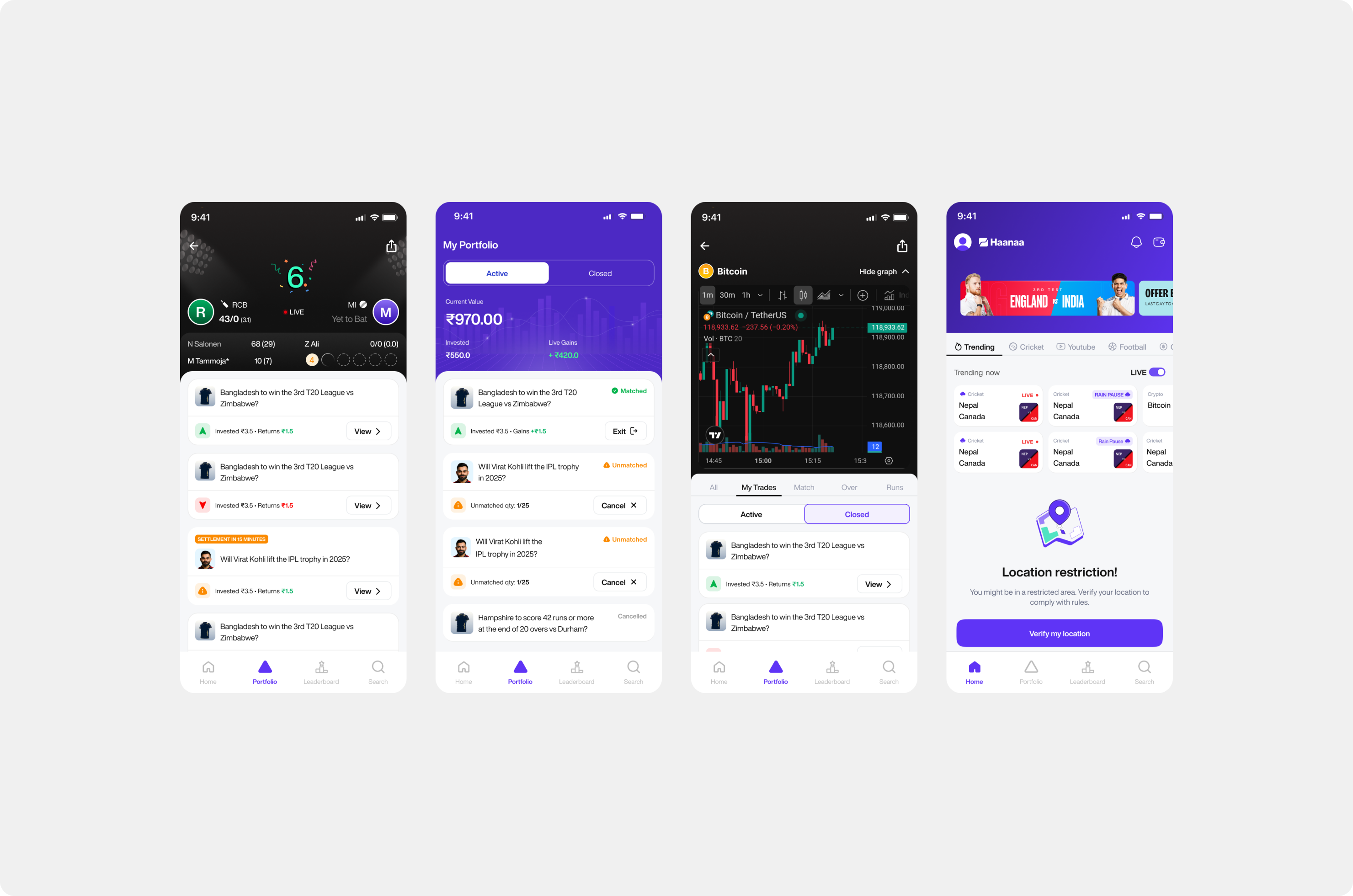
The product I inherited was organised like a content feed — categories first, cricket, crypto, politics, as if people came to browse. They didn't. They came to trade. So I rebuilt the architecture around the only thing that mattered: the trade itself — discovery, decision, execution, outcome. Everything else got out of the way.
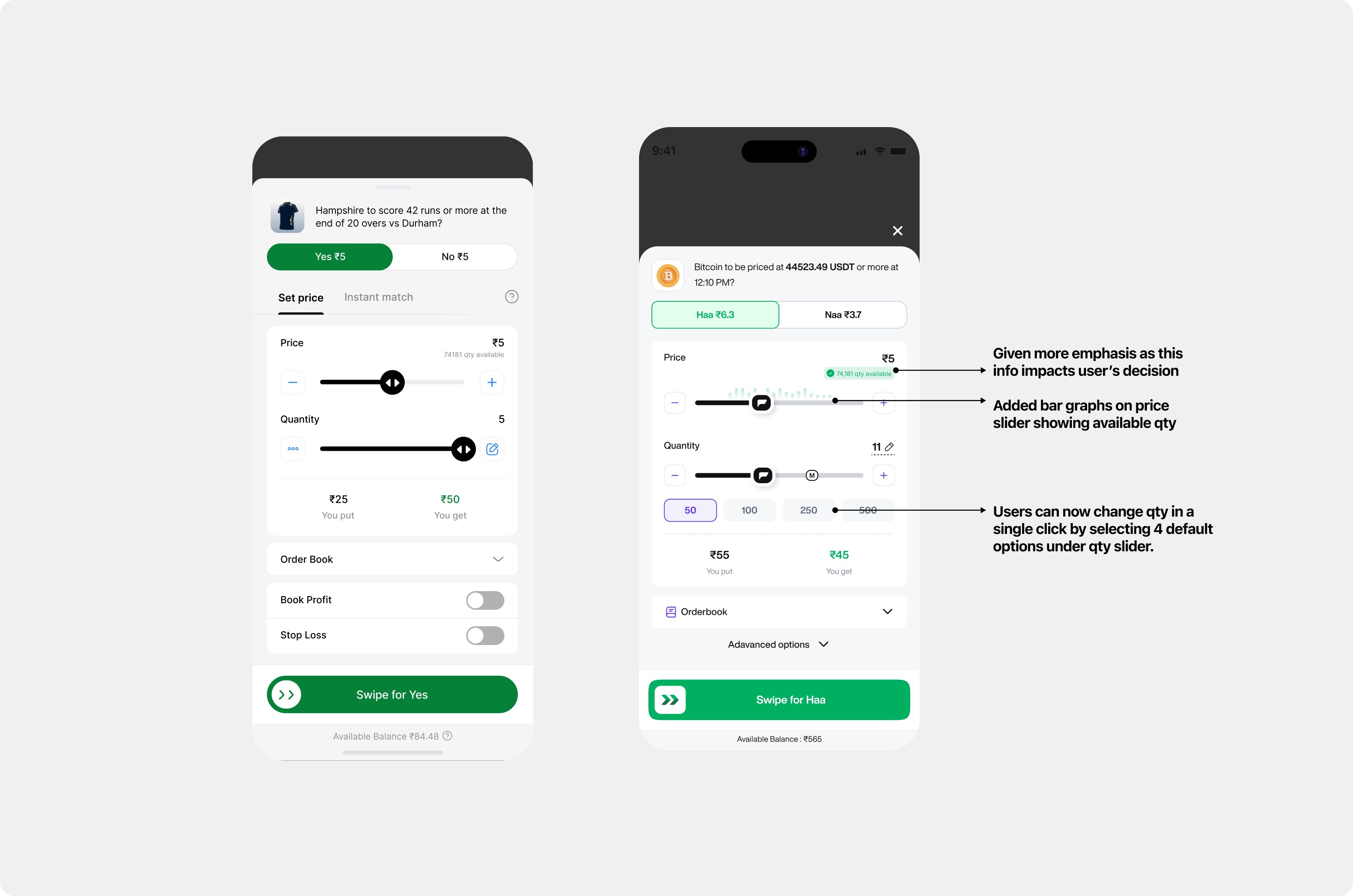
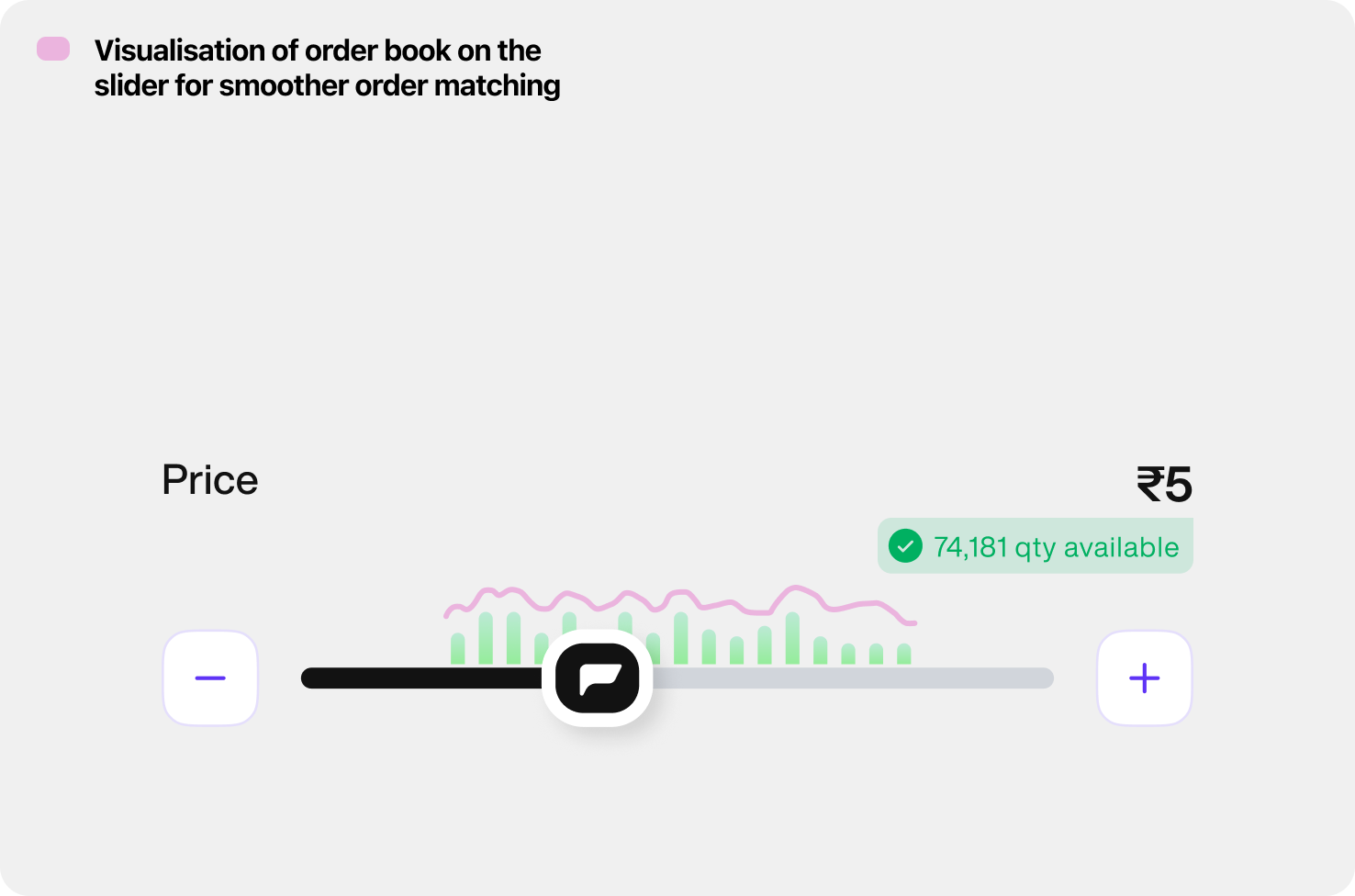
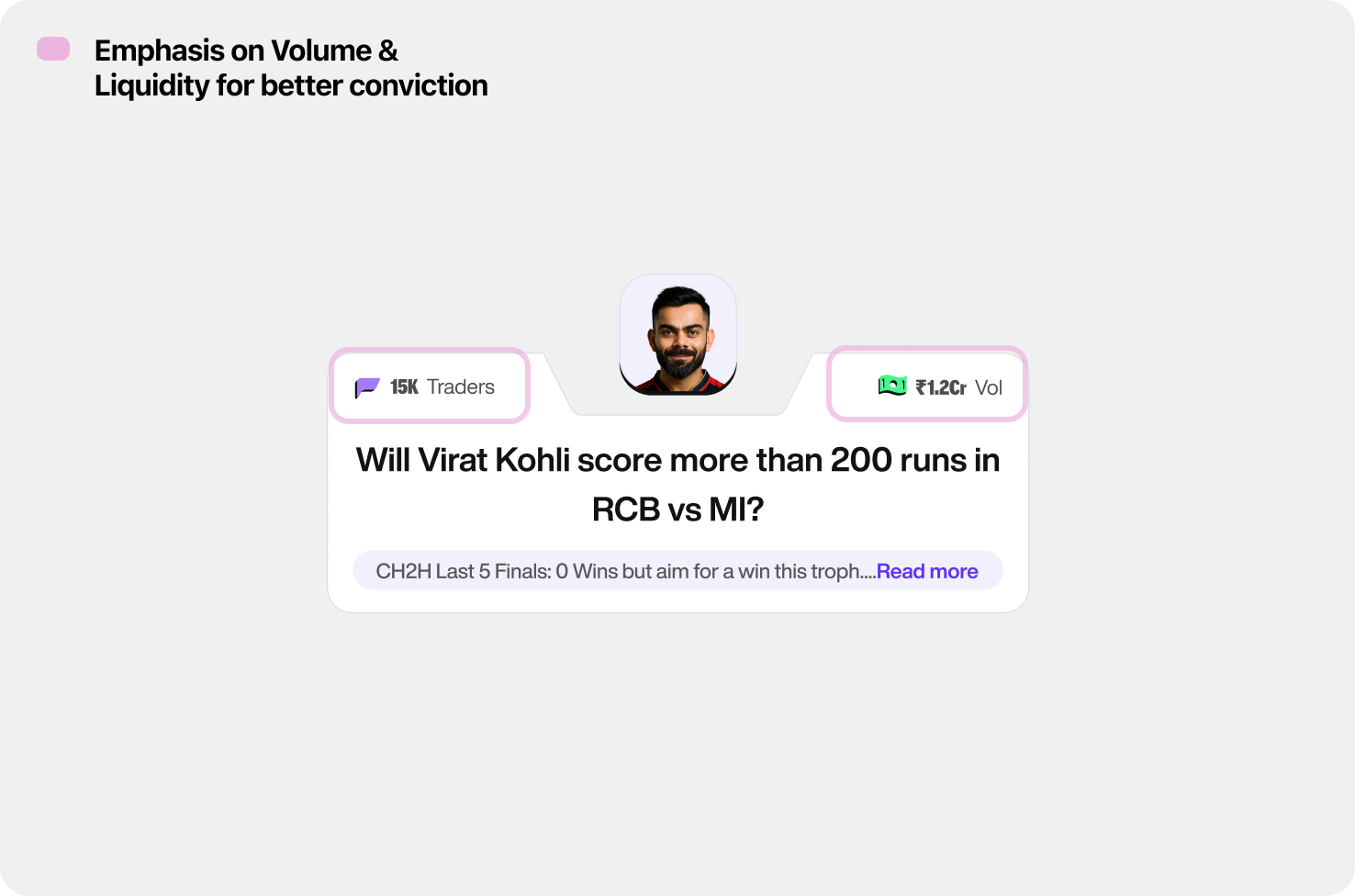
Two things we shipped that no prediction market in India had built before. The order book — the same mechanic equity markets use. You see who's on the other side, you see the price, you decide if you want to match. It turned a gambling interface into a trading interface.
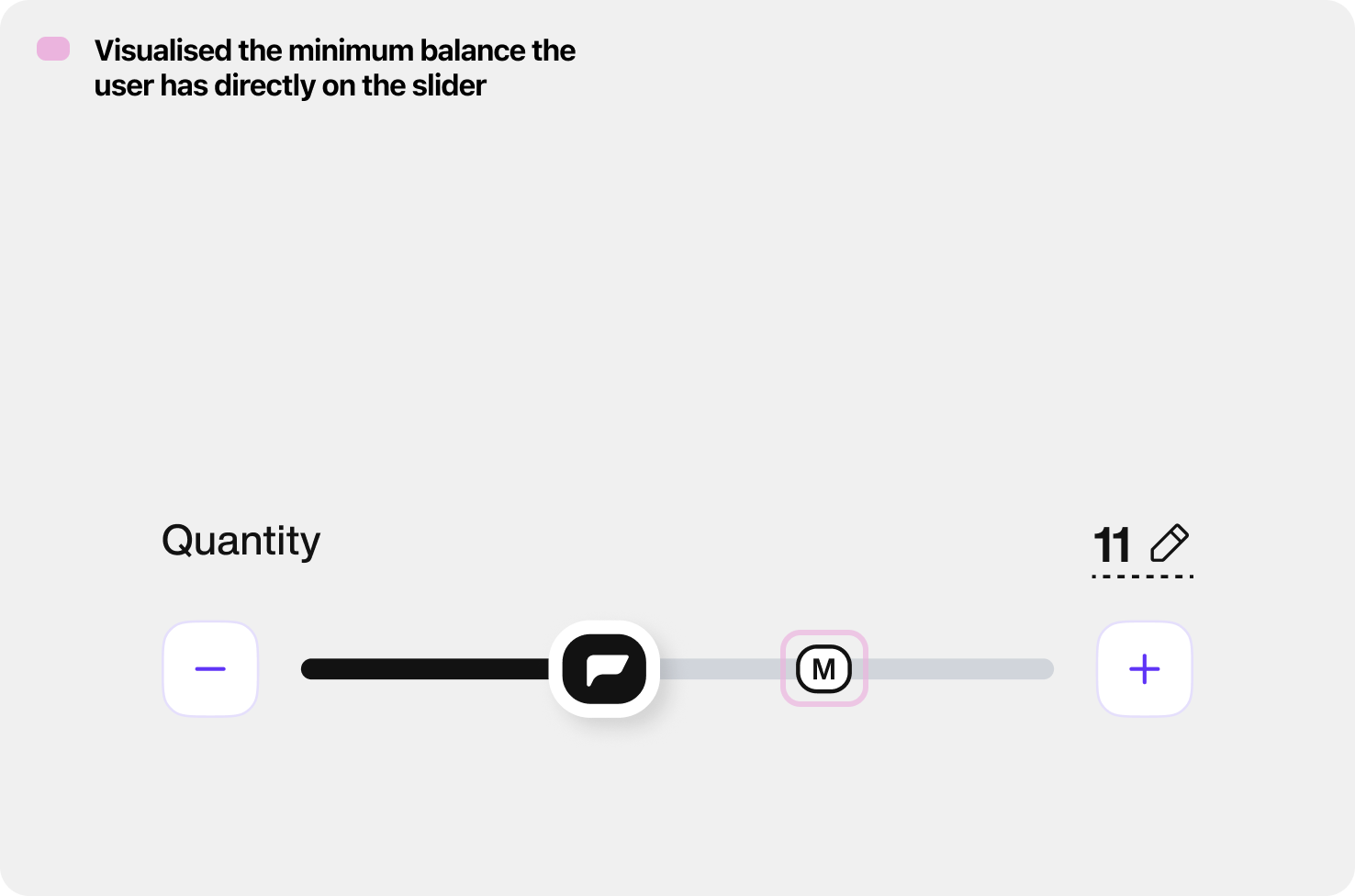
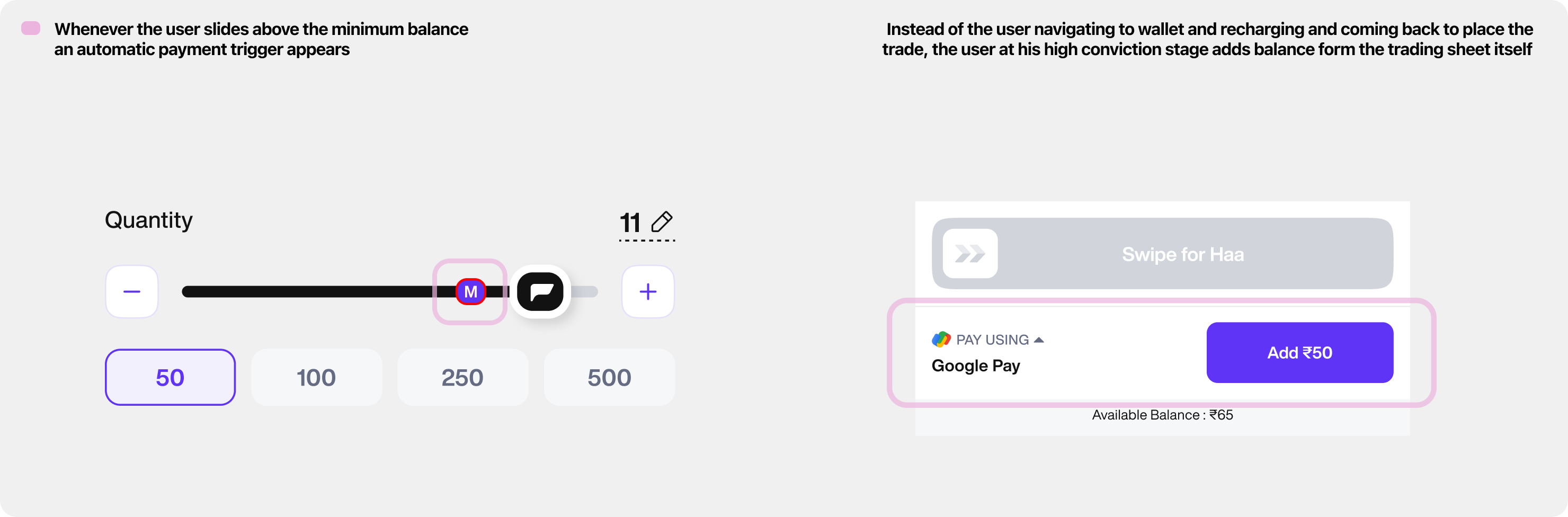
And payment inside the trade sheet — conviction has a shelf life. The instant you redirect a user to top up their wallet, the moment is gone. So I collapsed it. If the balance is short, Google Pay sits in the sheet. One swipe, the trade completes, the flow never breaks.
The signup flow was rebuilt end to end, including state-by-state compliance — Tamil Nadu, Telangana, Rajasthan each needed different onboarding and KYC rules, handled inside one clean flow. Time-to-signup dropped from 11.3 seconds to 5.5. The funnel climbed from 75% to 82%. Support load fell 30%. Informed trades rose 18%.
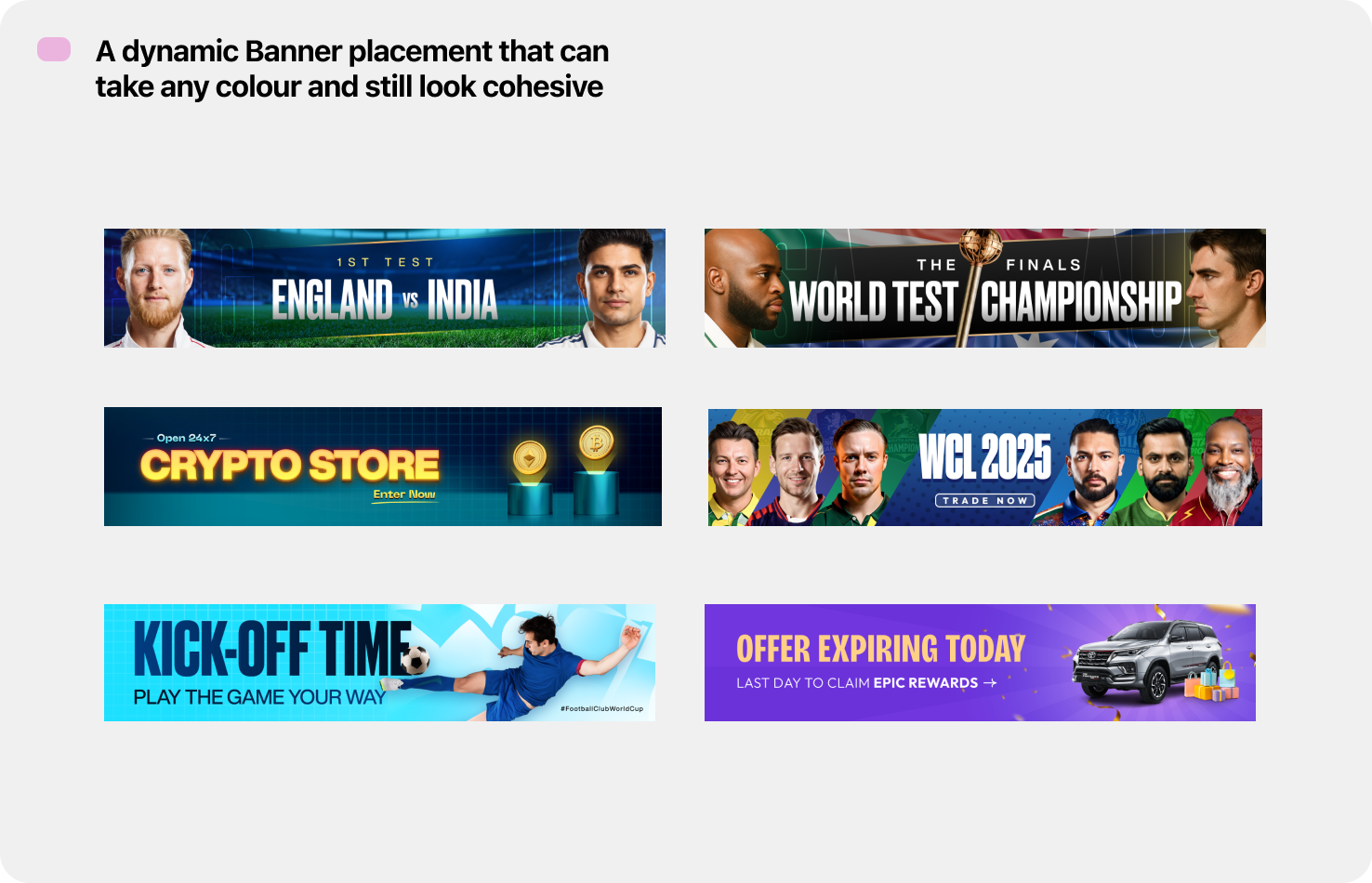
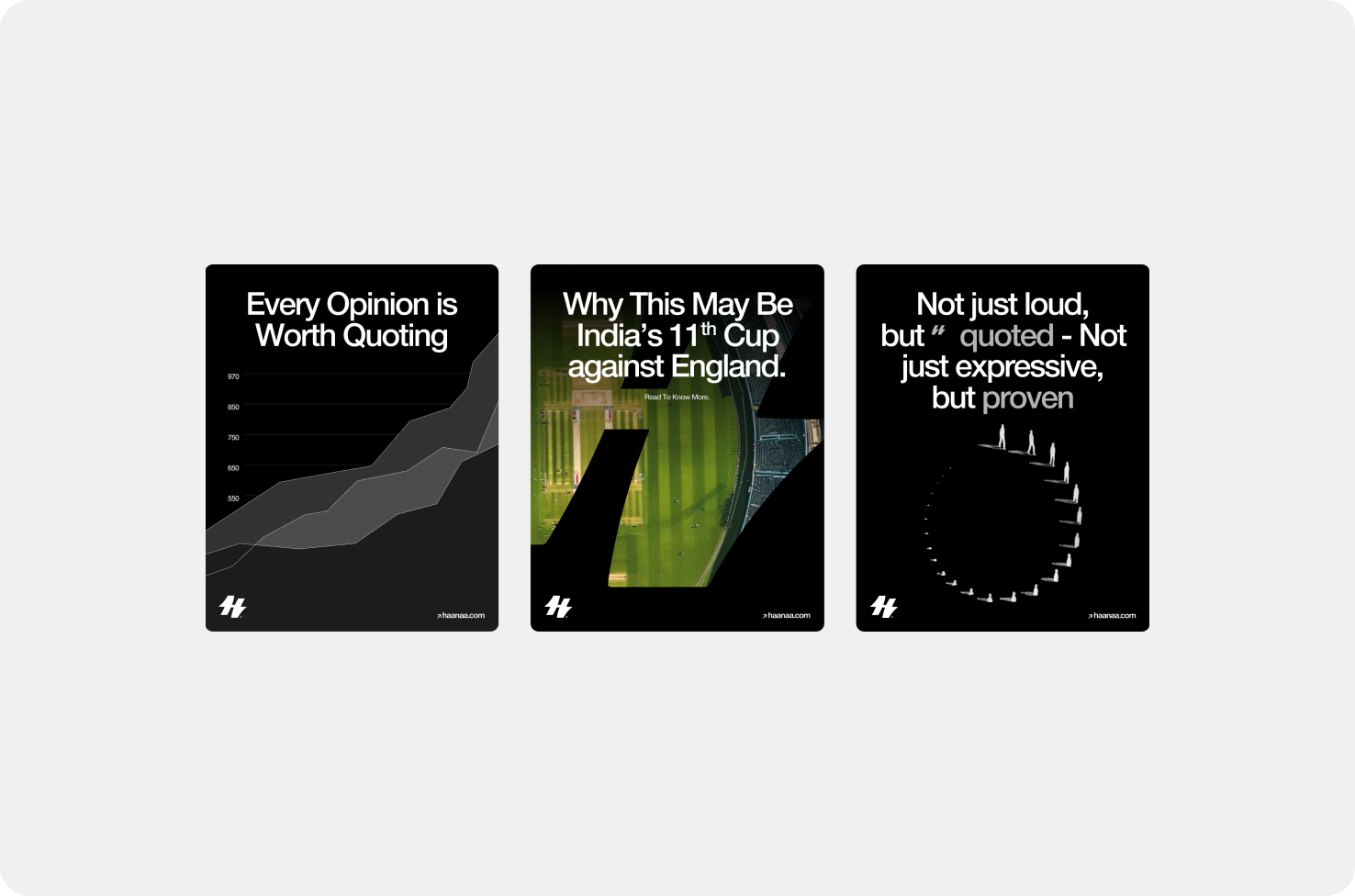
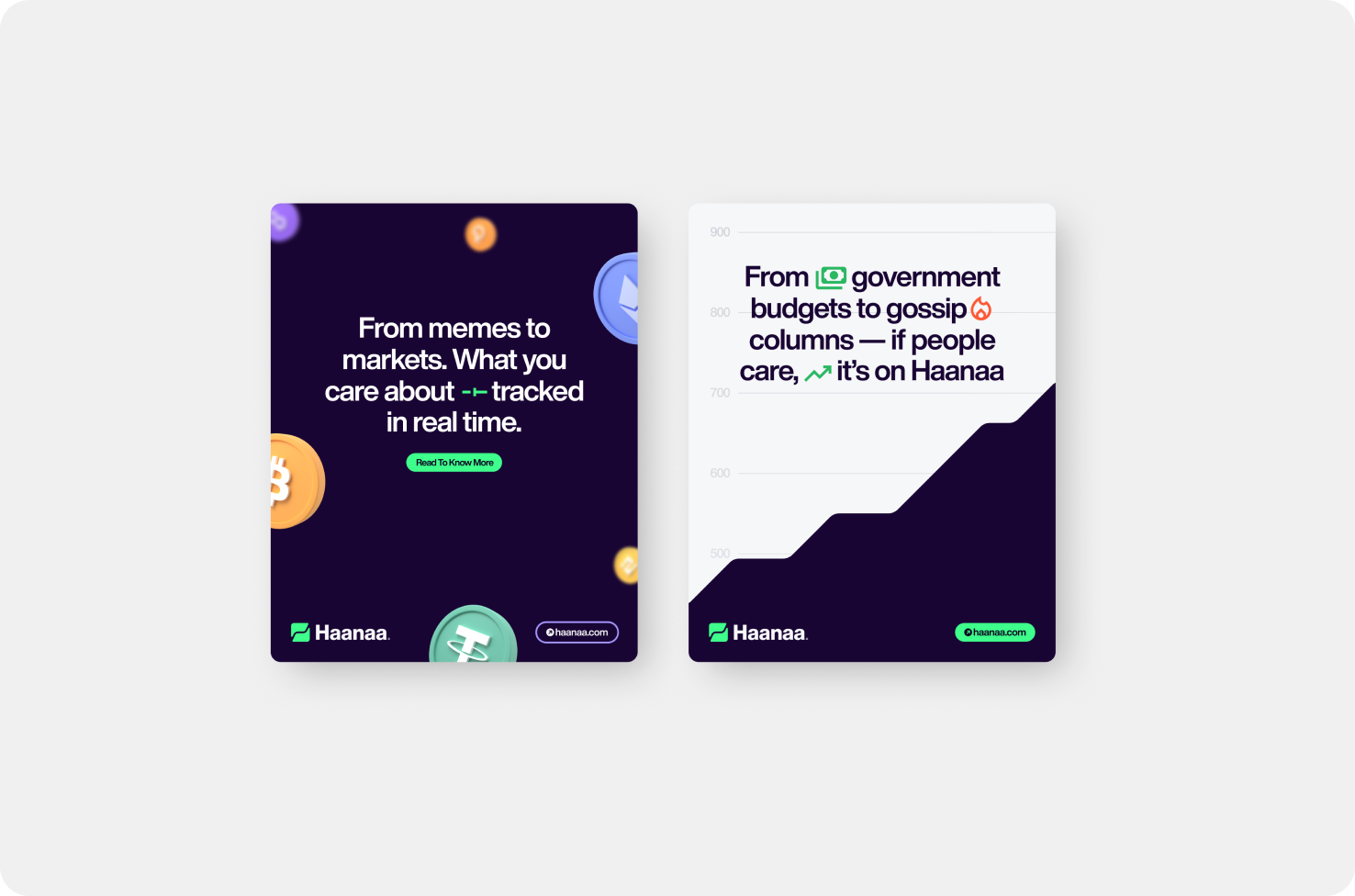
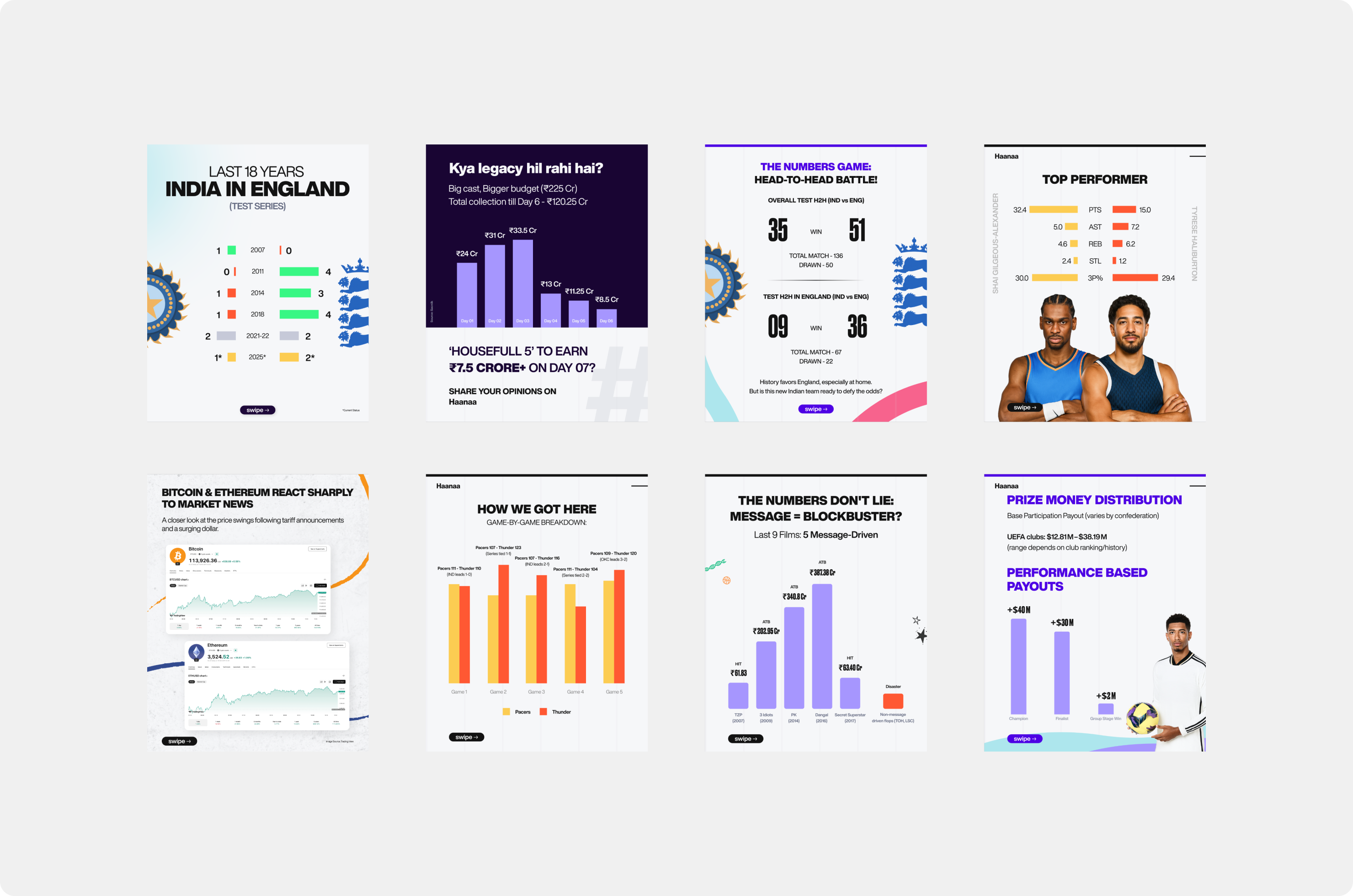
Every match, every event, every market needed creative — and it needed to ship fast, look consistent, and explain itself to an audience seeing a prediction market for the first time. I built that engine and ran it across every format and channel — IG stories and carousels, Twitter, banners, influencer creative, promotional campaigns, marketing videos.
One visual language held from the app icon to a player-led promo to a Telegram broadcast. Influencer campaigns drove the most growth, with performance and the channels close behind. That consistency is a large part of how Haanaa went from one million users to 3.2 million.
Haanaa didn't have a design function when I joined. It had a copied app, a million users, and a category nobody in India had figured out yet. By the time we were done, it had a brand that stood apart, a product rebuilt around how people actually trade, and a creative engine running across every channel the audience lived on.
₹1,894 crore moved. 33 lakh people. A function of three that ran everything.